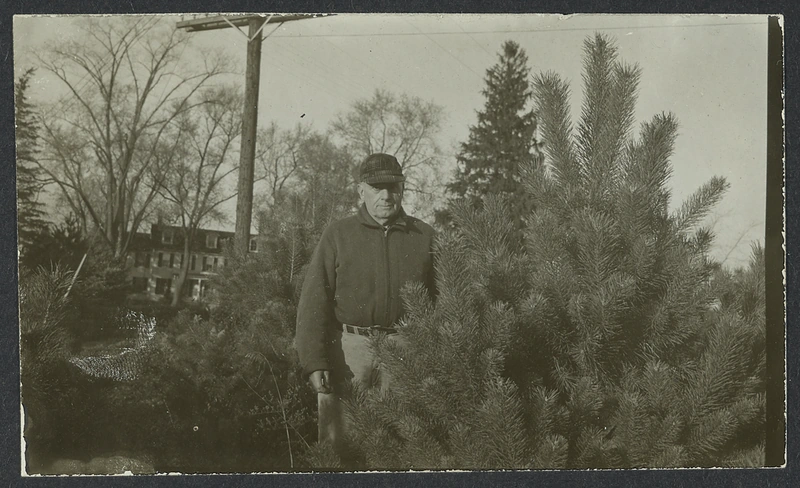
The arboretum is part of a larger effort to make the Museum’s grounds more accessible, welcoming, and meaningful. This land, first owned by the Thomas family, was originally farmed by enslaved people. Many years later it was used as a Christmas tree farm. Today we reclaim the land as a place of learning, exploration, and stewardship. Through the care of our trees, the protection of our forest, and the development of trails, we are creating new opportunities for people to connect with the land and its natural and cultural history. Our Level I accreditation through ArbNet recognizes our commitment to caring for and sharing our collection of trees and woody plants.
Explore the Arboretum
Our growing collection can be seen throughout the property. Each specimen is numbered and labeled with its common and scientific name. Look for the numbered trees as you explore the grounds.

A Living Landscape
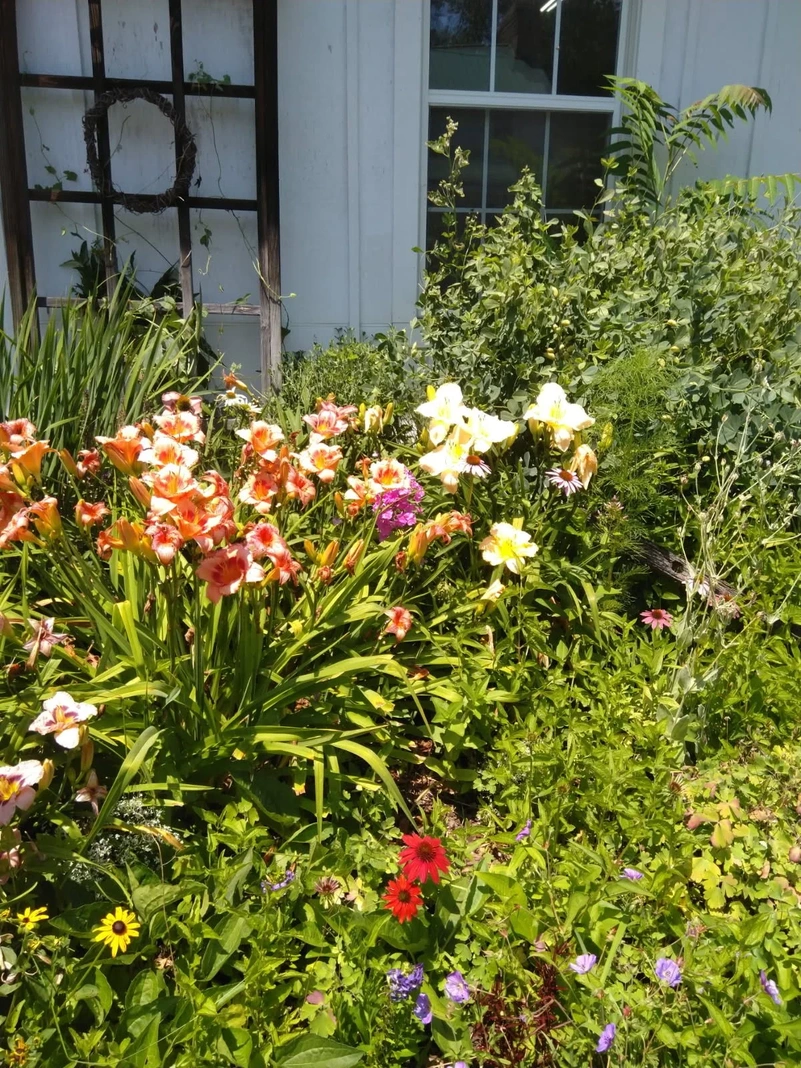
The grounds have an informal character, with many native tree species. Three acres of forested land are protected under a conservation easement. Trails offer additional opportunities to explore the property and its natural features.
The honeybee hives illustrate the connections between plants, pollinators, and other living things. Stop in the Museum’s gift shop to purchase Curator’s Reserve Honey, harvested in partnership with Sandy Spring Honey, Inc.
Caring for the Future
ArbNet accreditation marks an important milestone in our ongoing work to document, maintain, and share the tree collection. Through the arboretum and trails, we invite visitors to discover the natural and cultural stories of this land.

The History of the Land
The museum property has a long and complex history. Indigenous people lived in and traveled through this landscape before European settlement. Over the centuries, the property became part of a plantation, was cultivated as farmland, became part of the Oakleigh estate, and was even used to grow Christmas trees.
In 1994, Helen Bentley deeded seven acres of the Oakleigh property to Sandy Spring Museum. Today, the arboretum is another chapter in the continuing story of this land.