

History & Collections
Research, archival discoveries, local history, and stories from the collection.
History & Collections articles
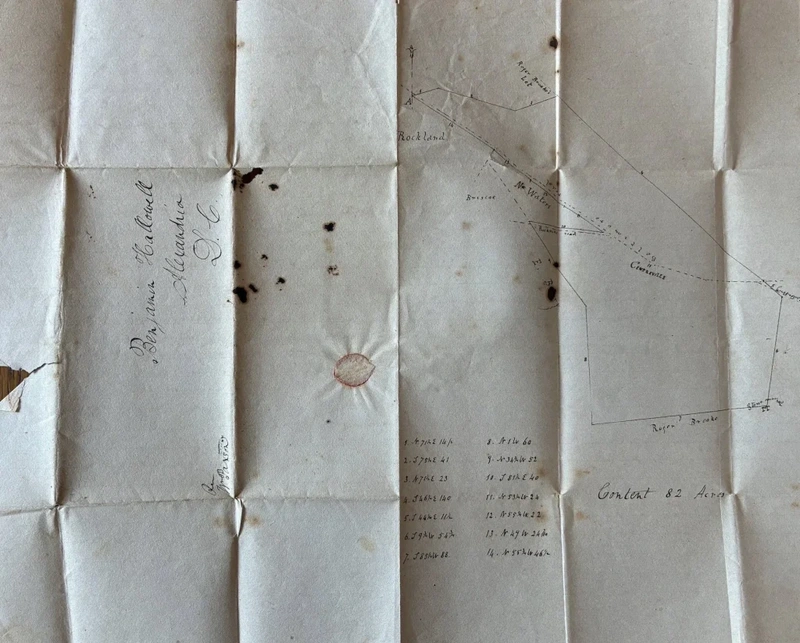
Entry 8, August, Rockland
Built in 1838, Rockland was the home of Benjamin Hallowell, a Sandy Spring Quaker notable for his public commitment to abolition and his sustained relationships with members of the local free Black community. Read more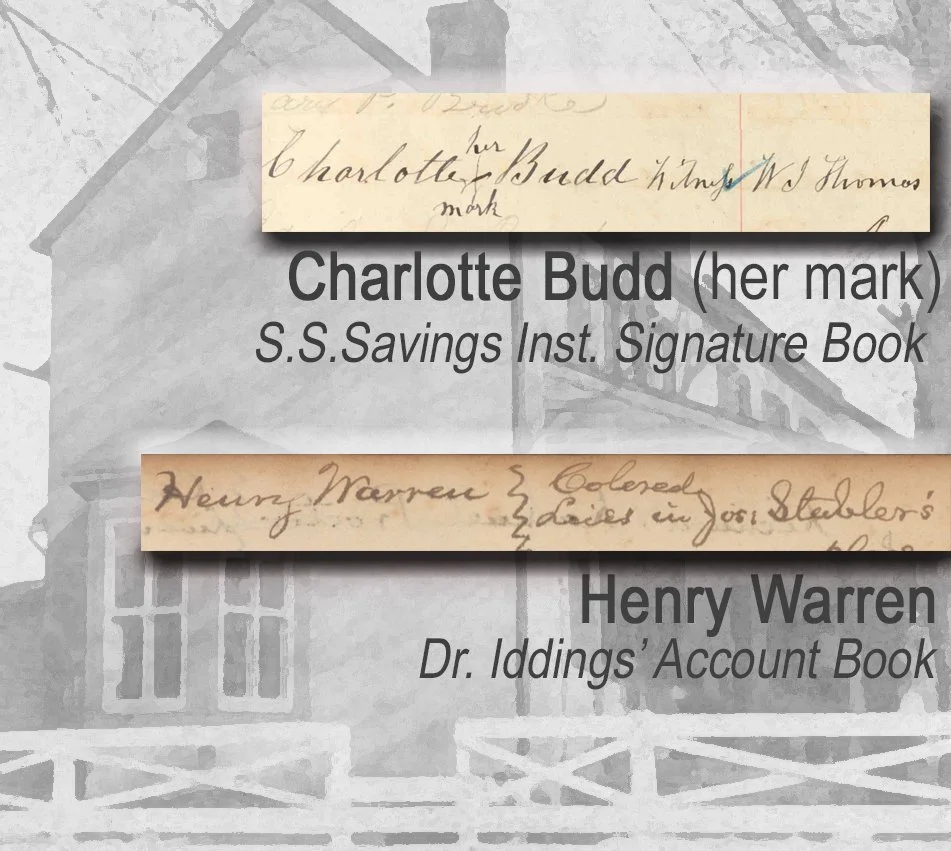
Entry 7, July: Auburn
Auburn’s surviving records reveal the essential work of Black women and men who sustained the Sandy Spring farm in the nineteenth century. Diaries and account books preserve the stories of Rachel Bellows, Lizzie and Charlotte Budd, Caroline Sedgwick, and others whose labor shaped daily life at Auburn. Read more
Entry 6, June: Bloomfield
Bloomfield was more than just the home of Caleb Bentley and his son Richard T. Bentley, it was a center of opportunity that helped free Black individuals and families in Sandy Spring build businesses, acquire land, and establish lasting roots in the community. Read more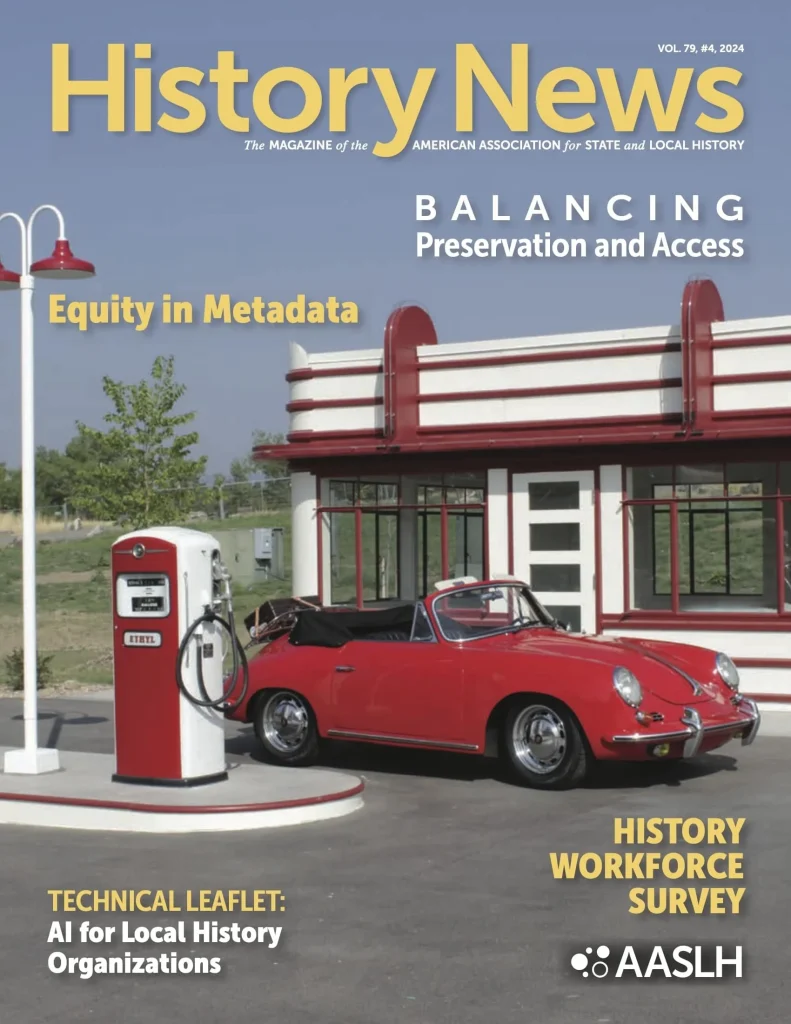
History News Article: Equity in Metadata
Sandy Spring Museum (SSM) in Maryland launched the Equity in Metadata initiative. This restorative cataloging project extracts individual pages referencing Black residents to create unique, searchable digital profiles. Read more
May, Falling Green
Built ca. 1764 for Basil Brooke, Falling Green is representative of the interdependence relied upon by both the Black and White communities of the greater Sandy Spring area. Over successive generations it witnessed the transition from slavery to a wage-labor and tenant-based system of agriculture. Read more
April, Walnut Hill
Free Black laborers and families played a central role in shaping Walnut Hill, living and working alongside the Lea family for more than four decades. Henson Hill, one of the longest-serving workers, later purchased land in Cincinnati and became a founding member of his community, reflecting both resilience and self-determination. Read more
Fairfield and the People of Riverton
Through land ownership, home-building, and careful financial management, Hill established lasting stability for his family, while Bond’s enlistment reflects the hope and determination that a lot of Black men felt as they looked towards the Civil War as a path for improving their condition. Read more