
Sandy Spring has a special history.
We know that this is a unique place with a unique history, and that the stories of Sandy Spring need to be preserved and shared.
Built in 1895, the historic Sandy Spring Bank building is now owned by Sandy Spring Museum. The museum is working with the community to explore a future use that supports its mission and can be sustained over time.
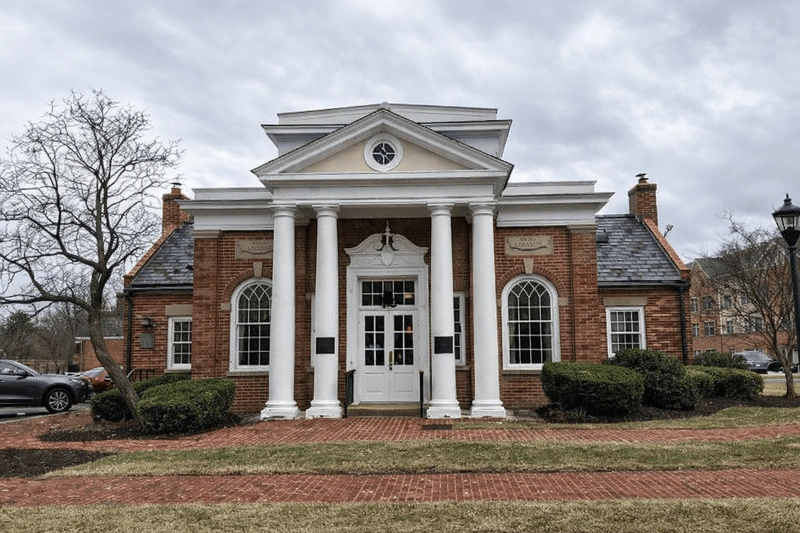
The Savings Institution of Sandy Spring was founded in 1868 by local farmers in the area’s rural Quaker community. It provided a place to save money and obtain loans close to home.
Its first permanent building was constructed in 1895. Together with the Meeting House, Lyceum and other village institutions, the brick bank building became part of the community’s historic center. Today it is part of the Sandy Spring Historic District.
The building stands at 908 Olney–Sandy Spring Road, a separate location from the museum’s campus on Bentley Road.
In August and September, The Planners Consortium conducted in-person and virtual engagement sessions with community stakeholders on behalf of Sandy Spring Museum.
Our goal was to hear as many voices as possible, from staff and board to museum members and concerned citizens. We wanted to know: what does this community mean to you, and what do you want to see in this building?
We conducted in-person sessions with staff, board and community members on August 14 and 15. Virtual group sessions were held later in August. We also held on-on-one sessions with key community leaders.
In the next phase of our work, we will be conducting further research about possible solutions for this building so that we can present three sustainable and community-informed concepts to Sandy Spring Museum.
We know that this is a unique place with a unique history, and that the stories of Sandy Spring need to be preserved and shared.

We heard you say that Sandy Spring needs a destination for both children and teens, who may visit with parents or grandparents.

You told us again and again that Sandy Spring needs a community hub: a place to meet, to spend time with friends, and to share stories.
22
In-person and virtual sessions
44
Survey responses
128
Stakeholders consulted
Have something to say?
We want to hear it!
We are particularly interested in hearing from youth in the area. Scan the QR code to fill out a brief survey and share your thoughts with our team.

The museum is now the owner of the old Sandy Spring Bank. We are seeking community input for the future use of the building. Explore the interior in this video from Sandy Spring Museum, shared in September 2026.
The bank’s records offer a view of everyday economic life in Sandy Spring. Spanning 1868–1972, the collection includes more than 400 bound volumes and 2,000 mortgage files.
Thirty of the first 123 depositors were members of the local African American community. Married women, including Mary Bentley Thomas and Anna Leggett Moore, were among the earliest independent depositors. An 1883 loan to Rebecca Viers documents another woman’s pursuit of financial independence.
Carpenter Remus Hill helped build Fairfield and established a home for his family in the Cincinnati community. By 1890, he held more than $3,400 in his Sandy Spring Bank account. His story connects skilled work, land ownership and financial stability.
These records document the bank as an institution, including years before the 1895 building. Selected bank records are available online through the museum’s FromThePage collection.
Explore the Sandy Spring Bank Collection (opens in a new tab)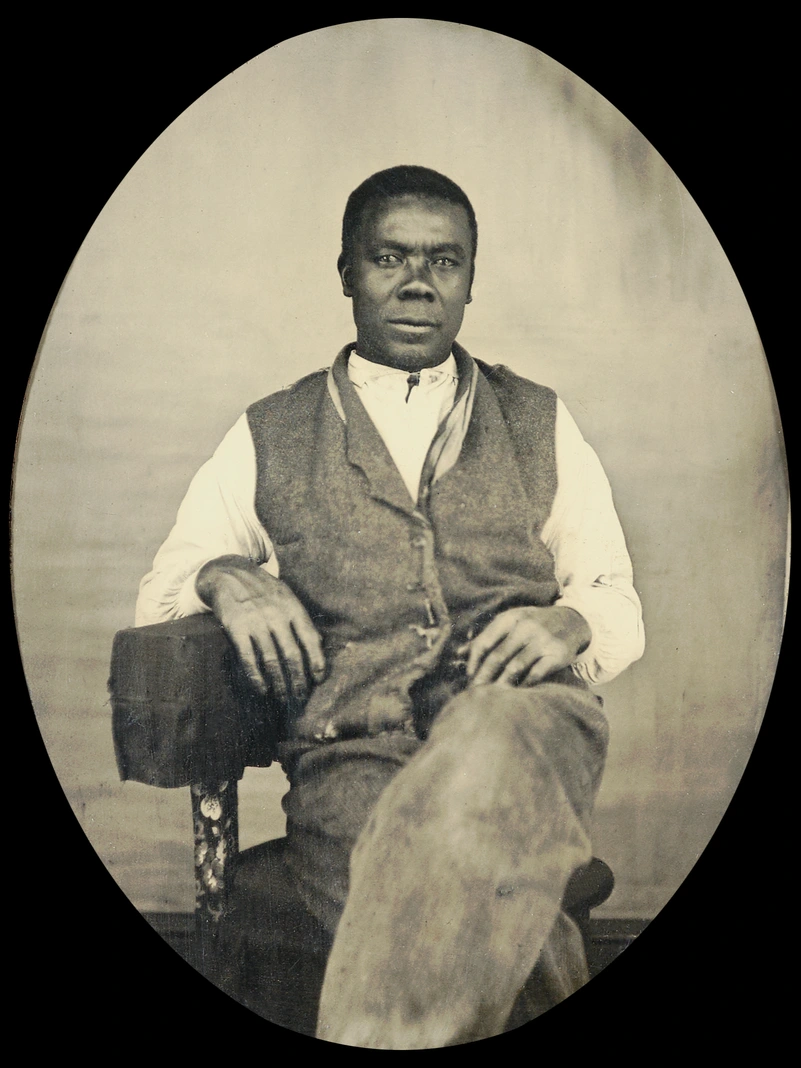
The museum is working with The Planners Consortium to gather ideas and develop recommendations for the building. The planning process considers the museum’s mission, community needs and financial sustainability.
Public discussions and individual interviews were announced in July 2026. In September, the museum invited young people to share what Sandy Spring needs and what they would like to do here with friends in the evenings and on weekends. Adults were also invited to respond.
A final use and opening schedule have not been announced in the project materials available as of October 2026.
