








What Is a Transcribe-A-Thon?
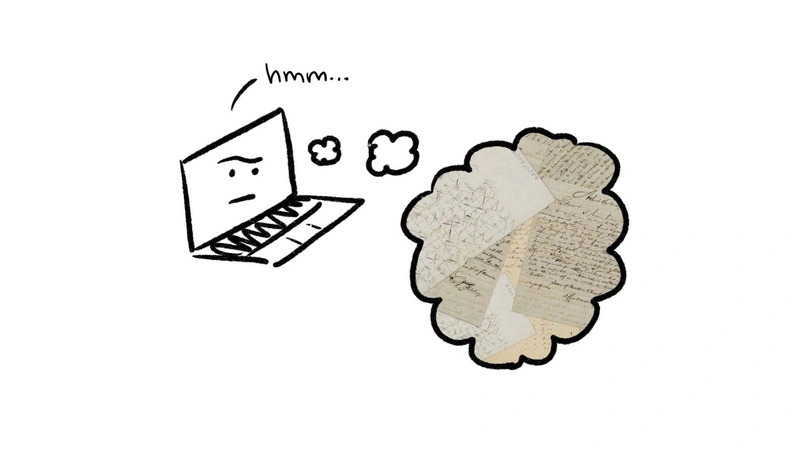
A Transcribe-a-thon is a volunteer program designed for participants to engage with digitized items in the museum’s archives by typing text that was written in the 19th and 20th century.
You can also help transcribe the Museum’s historic documents at your own pace through FromThePage. Join a scheduled virtual Transcribe-a-Thon if you would like guidance from Museum staff.
Why Do We Transcribe?
We transcribe to make history more accessible! Imagine opening a doctor’s ledger from the 1800s and finding the name of a person who lived and worked in Sandy Spring over 150 years ago. Now imagine typing that name, so it becomes searchable in a digital archive for everyone. That’s the power of transcription!
This effort is also related to Sandy Spring Museum’s initiative called Equity in Metadata. Traditionally, archival documents were described through the perspective of their white authors, which meant that information about Black residents was often invisible in searches. By re-cataloging records with descriptive metadata, the lives of Black residents are no longer buried in someone else’s documents but can now be discovered directly in the digital archive.
How the Sessions Work
Each Transcribe-A-Thon takes place online, so you can participate from the comfort of your home. The day is divided into two sessions of two hours each (sign up for one or both). Museum staff join the call to guide the process and answer questions. Anyone age 13 and older is welcome, and students can earn SSL hours for their participation.
Before You Transcribe!
To transcribe, you need to create an account on the museum’s crowdsourced transcribing platform: From the Page. Create a FromThePage account (opens in a new tab) Watch the video below to learn how to sign up.
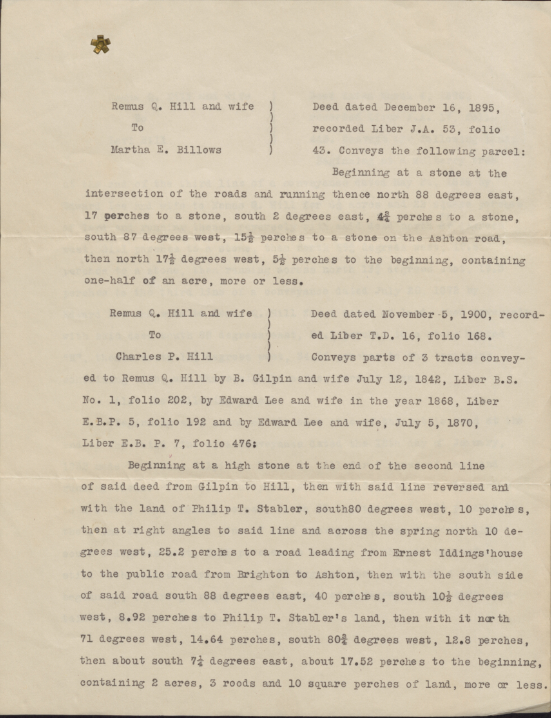
Many of the documents are written in cursive, so a bit of patience and preparation goes a long way. Take a look at our sample pages, test your cursive reading skills with our five-question quiz (opens in a new tab), and look through these cursive reading resources!

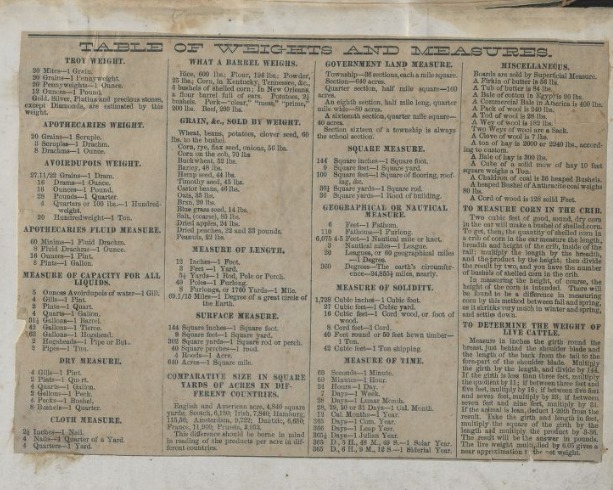
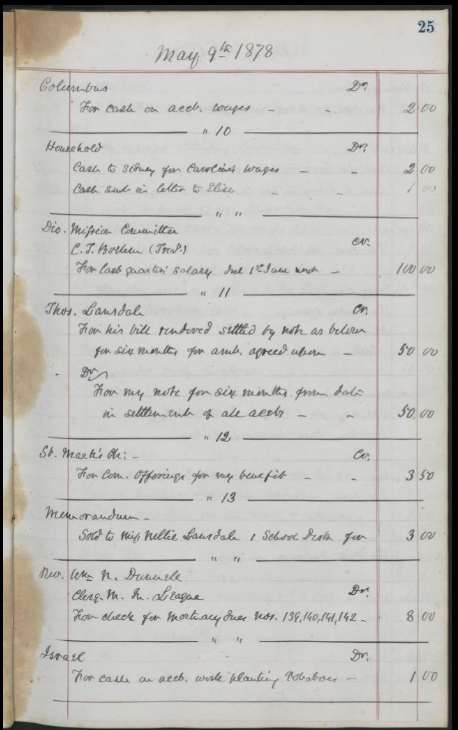
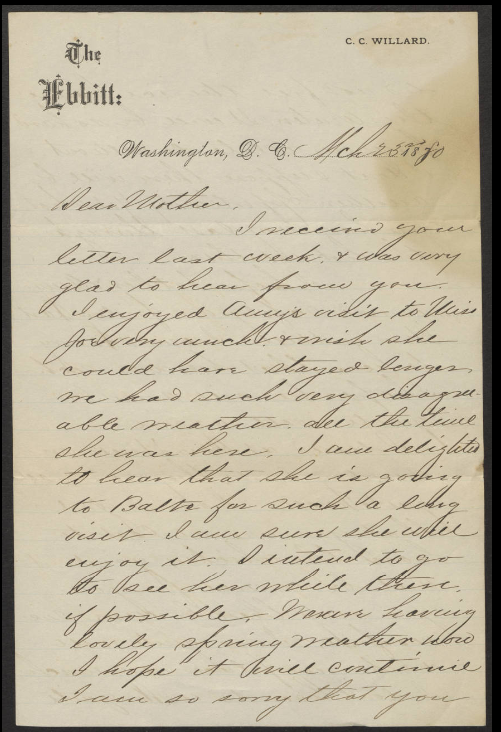

Connecting With the Past
Volunteers often find that transcription is not just about typing. It is an experience that gives you a personal connection with people who lived here long ago. Each page carries not only information but the character of the writer’s hand and a deep understanding of what the writer’s daily life was like.
In every Transcribe-a-thon we try to include a breadth of documents that encapsulate the diverse lives and businesses that built and continue to build Sandy Spring and the surrounding area. Month by month, more names are added to the searchable digital archive (opens in a new tab). As you transcribe, you’ll note your contribution in the progress bars that show how much work is still left — a clear reminder that every volunteer’s effort counts.
Featured Collections
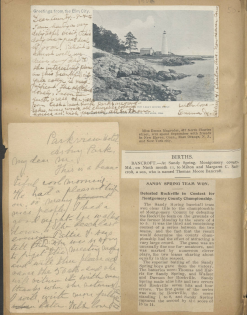
Mary Magruder Collection
This collection includes documents from Sandy Spring resident Mary Magruder. Born in Brookeville in 1865, Mary would spend the entire 80 years of her life as an active member of the Sandy Spring community. First serving as a teacher, she would later become the county’s first school attendance…
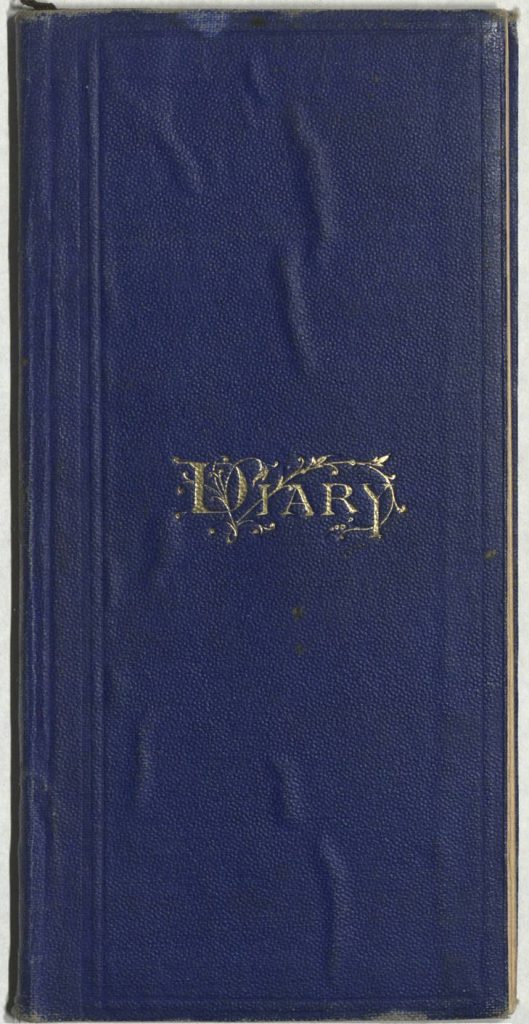
Daybooks, Diaries and Reminiscences
A collection of diaries and reminiscences from Sandy Spring community members. As you explore you’ll find travel logs and ledgers, childhood memories and daily activities, some dating as early as 1823.

Sandy Spring Area Schools Collection
Spanning as far back as 1844, this collection contains hand written and typed letters, essays, notebooks, and advertisements from various schools and students around Sandy Spring.
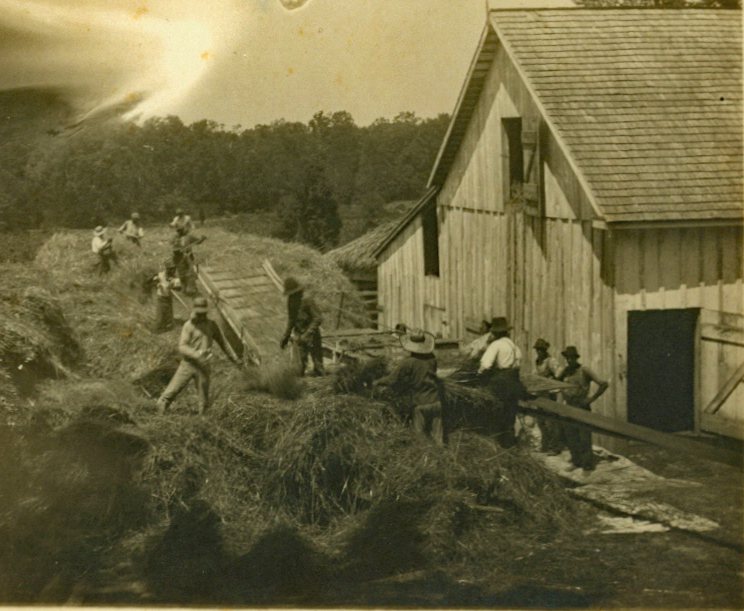
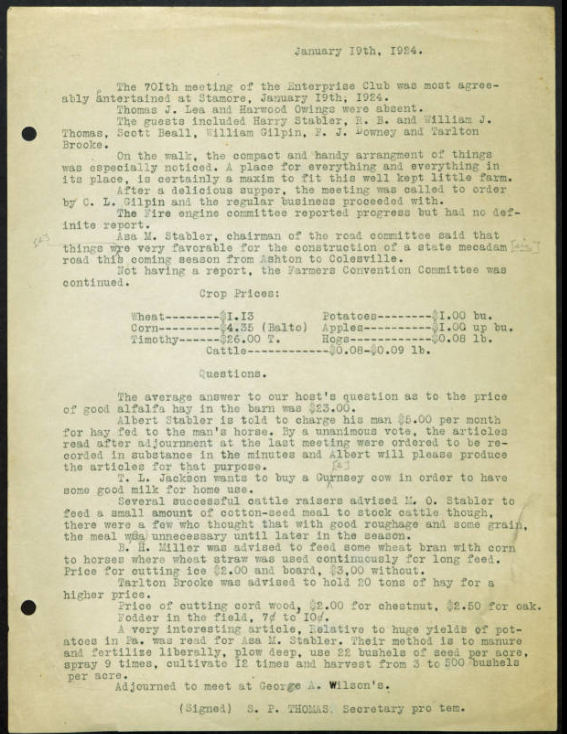
Enterprise Farmers’ Club Minutes
The Enterprise Farmers’ Club is an agricultural association in Sandy Spring, Maryland that has met continuously since its formation in 1865. The group meets to discuss and exchange thoughts and information related to agricultural practices and the business of farming. The meeting agendas have…

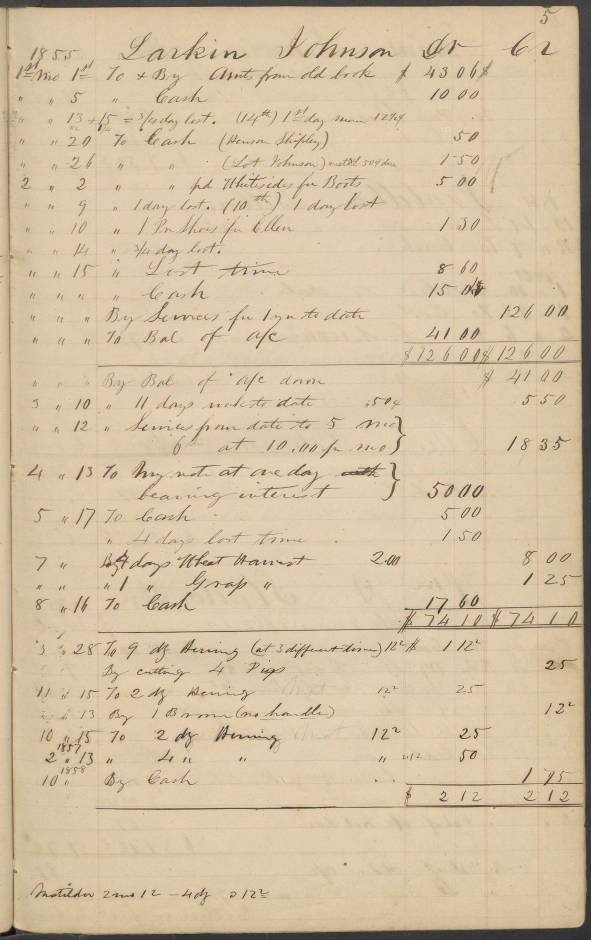
Ledgers
A collection of ledgers and account books of all type, with a table-based format for transcription.
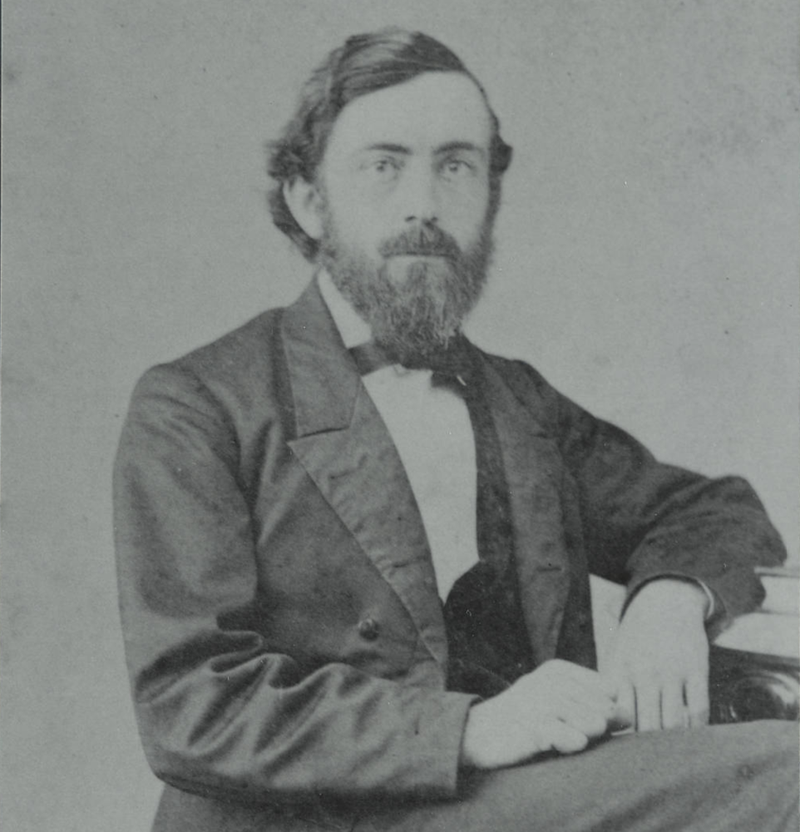
Miller Family Collection
This collection includes the papers of longtime Sandy Spring residents, the Miller family. Originally from Alexandria, Virginia, the Miller Family would later move to Sandy Spring in the mid 19th century and become established members of the community. During their time in Sandy Spring, Henry H….
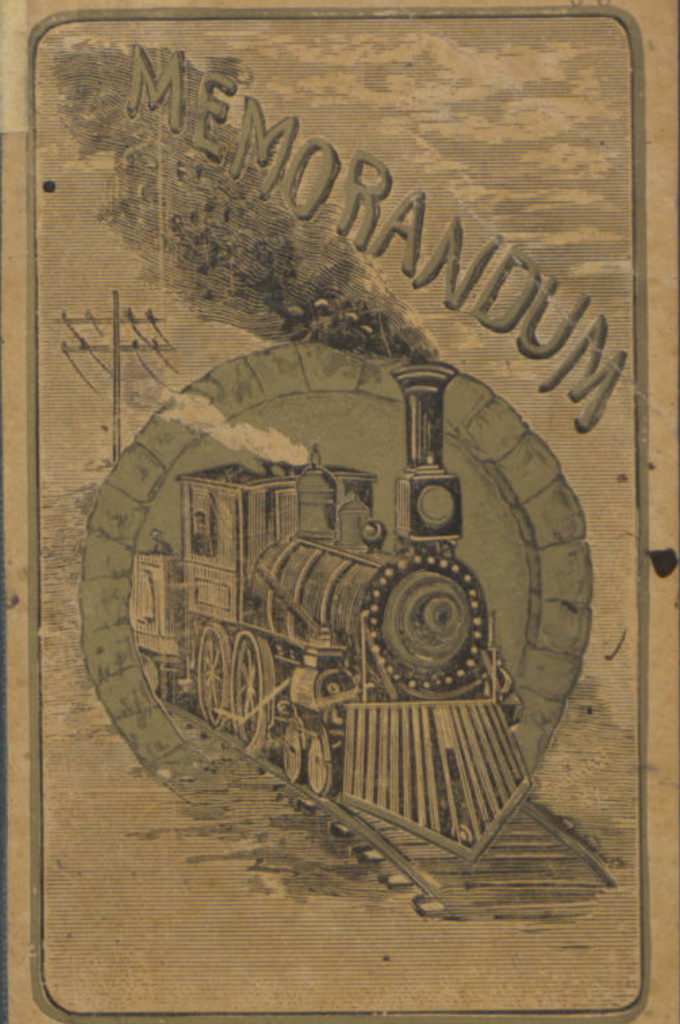
Travel Diaries Collection
These diaries contain the itineraries of Sandy Spring residents as they traveled to various destinations around the world, such as the American…
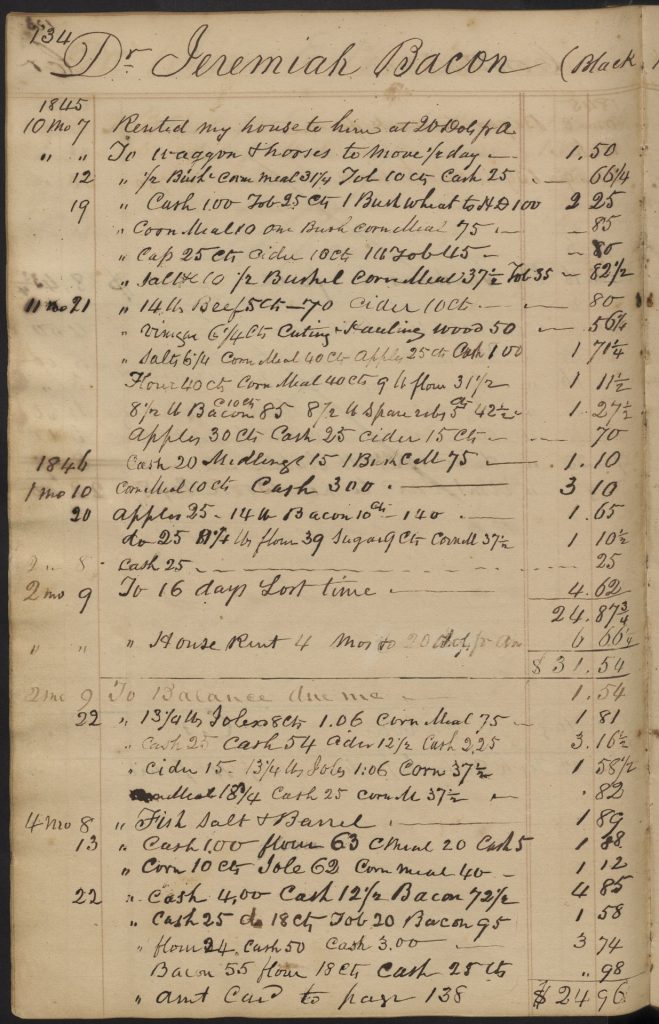
Black History in Sandy Spring
This collection celebrates the lives of Black men and women who worked as domestic farm laborers on land near Sandy Spring, Maryland. These pages bear witness to the integral role Black labor played in ensuring the success of the farming enterprises of local white landowners. These pages further…
Membership Matters
Becoming a Museum member helps keep programs like the Transcribe-A-Thon running, ensuring that community history remains alive and accessible to everyone.
Be Part of the Effort
The Transcribe-A-Thon is an open invitation to take part in shaping how Sandy Spring’s history is remembered. With every page you transcribe, you increase access to these stories and make them available for generations to come.
For details or questions, email Sandy Spring Museum or call (301) 774-0022.